 Kintana
Nutrition and Wellness for Men
Dietary considerations and nutritional guidance for supporting male vitality and well-being
Introduction
Adult men have specific nutritional needs related to their physiology, activity levels, and health considerations. This comprehensive guide explores dietary approaches and nutritional elements that support general well-being, energy levels, and physiological function in adult men. Understanding these principles enables informed dietary choices aligned with personal wellness goals.
Remember: Individual nutritional needs vary based on age, activity level, health status, and lifestyle. This is general educational information, not personalized medical advice. Consult with a qualified healthcare professional for individual guidance.
Energy-Supporting Foods
Sustaining vitality through proper nutrition
Protein for Muscle Maintenance
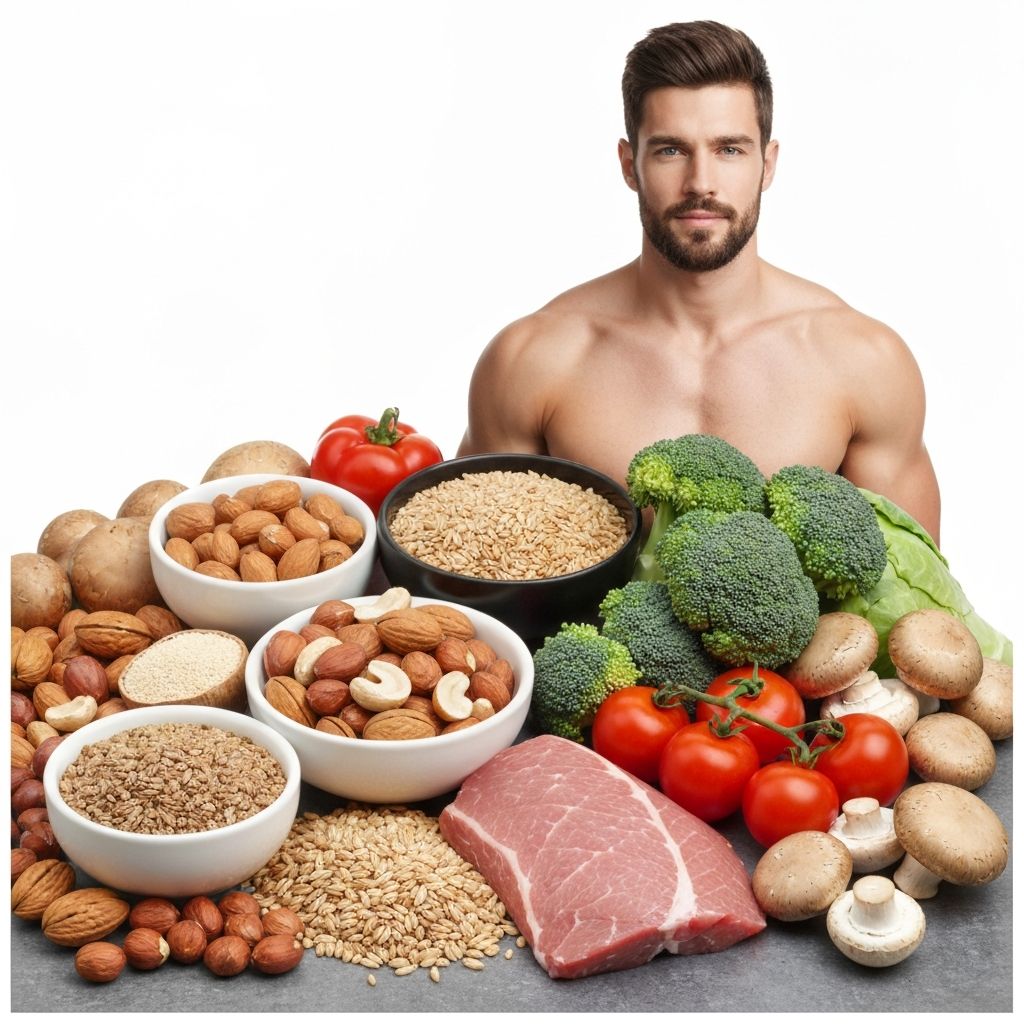
Protein is essential for building and maintaining muscle tissue, particularly important for men engaged in regular physical activity. Adequate protein intake supports muscle recovery and strength maintenance.
Quality protein sources include:
- Lean meats (chicken, turkey, beef)
- Fish and seafood (salmon, cod, sardines)
- Eggs and dairy products
- Legumes and beans
- Nuts and seeds
Daily protein needs vary based on activity level and age, typically ranging from adequate intake to higher amounts for active individuals.
Carbohydrates for Physical Activity
Carbohydrates provide the primary fuel source for physical activity and brain function. Quality carbohydrate sources support sustained energy levels throughout the day.
Optimal carbohydrate sources:
- Whole grains (oats, brown rice, whole wheat)
- Vegetables and legumes
- Fruits (fresh or dried)
- Sweet potatoes and root vegetables
Emphasizing complex carbohydrates with higher fiber content provides sustained energy and valuable nutrients.
Balancing Energy Intake
Total caloric intake should align with activity level and individual metabolic needs. This supports maintaining healthy body composition while sustaining energy for daily activities and exercise.
Nutrients for Overall Vitality
Key micronutrients supporting physiological function

Zinc: Essential for Multiple Physiological Processes
Zinc plays critical roles in immune function, protein synthesis, wound healing, and various enzymatic processes. This mineral is particularly important for male health and physiological function.
Excellent dietary sources of zinc:
- Oysters and shellfish (particularly high in zinc)
- Beef and poultry
- Pumpkin seeds and other seeds
- Legumes and whole grains
- Nuts (particularly cashews)
Magnesium: Supporting Muscle and Energy Function
Magnesium is essential for muscle function, energy production, nervous system health, and various cellular processes. Adequate magnesium intake supports physical performance and recovery.
Rich sources of magnesium:
- Pumpkin and sunflower seeds
- Nuts (almonds, cashews, Brazil nuts)
- Whole grains
- Leafy green vegetables
- Legumes
- Dark chocolate (cocoa-based)
Selenium: Antioxidant and Metabolic Support
Selenium functions as an antioxidant and supports thyroid function. This trace mineral plays important roles in metabolic regulation and cellular function.
Foods rich in selenium:
- Brazil nuts (extremely high in selenium)
- Fish and shellfish
- Poultry and eggs
- Whole grains
- Legumes
Important Note: Brazil nuts are exceptionally high in selenium. While they're a valuable dietary source, consuming them in moderation is prudent to avoid excessive selenium intake.
Dietary Considerations for Active Lifestyles
Nutrition strategies for men engaged in regular physical activity
Hydration During Physical Activity
Adequate fluid intake is essential for physical performance, thermoregulation, and recovery. Men engaged in regular exercise should prioritize consistent hydration throughout the day and particularly during and after activity.
Recovery Nutrition
Post-exercise nutrition supports recovery and adaptation. Consuming carbohydrates and protein following physical activity helps replenish energy stores and support muscle recovery.
Timing of Nutrient Intake
Spacing meals and snacks appropriately throughout the day supports consistent energy levels. The timing of carbohydrate and protein intake relative to physical activity can influence performance and recovery.
Micronutrient Needs for Active Individuals
Men engaged in regular physical activity may have increased needs for certain nutrients, particularly B vitamins (for energy metabolism), antioxidants (for supporting recovery), and minerals like magnesium and zinc. A varied diet with whole foods typically provides these nutrients adequately.
Iron: Essential for Oxygen Transport
Iron is critical for forming hemoglobin, which transports oxygen in the blood. Active men benefit from adequate iron intake to support physical performance.
Iron-rich foods include:
- Red meat (particularly high in absorbable iron)
- Poultry
- Fish and shellfish
- Legumes and beans
- Fortified grains and cereals
Building a Sustainable Nutritional Approach
Whole Foods Emphasis
Prioritizing minimally processed, whole foods provides maximum nutritional value and supports overall health. Whole foods contain diverse nutrients, fiber, and beneficial compounds often missing from processed alternatives.
Dietary Variety
Consuming foods from all major food groups—fruits, vegetables, whole grains, lean proteins, and healthy fats—ensures comprehensive nutrient intake and promotes long-term dietary sustainability.
Practical Implementation
- Plan ahead: Prepare meals in advance to support consistent, healthy eating patterns
- Shop strategically: Focus on whole food sections of grocery stores and avoid heavily processed alternatives
- Experiment with recipes: Explore different preparations of whole foods to maintain interest and enjoyment
- Stay consistent: Sustainable dietary habits developed over time produce better long-term results than extreme temporary changes
- Monitor your body: Pay attention to how different foods make you feel and adjust accordingly
Key Principle: The best dietary approach is one that you can sustain consistently. Flexibility, enjoyment, and balance are more important than perfection.
Important Limitations and Context
The information provided on Kintana is for general educational purposes only. It is not intended to be a substitute for professional medical advice, diagnosis, or treatment.
Individual nutritional needs vary significantly based on age, health status, activity level, and other factors. Always consult with a qualified healthcare professional or registered dietitian before making significant changes to your diet or lifestyle, especially if you have existing health conditions or take medications.
The content here should not be used to self-diagnose or self-treat any health issue.
Continue Your Learning
Explore more educational content about nutrition and wellness.